
English Speaking Lawyer in Xiamen, China for Foreign Companies – Commercial Disputes, Supplier Disputes & Debt Recovery
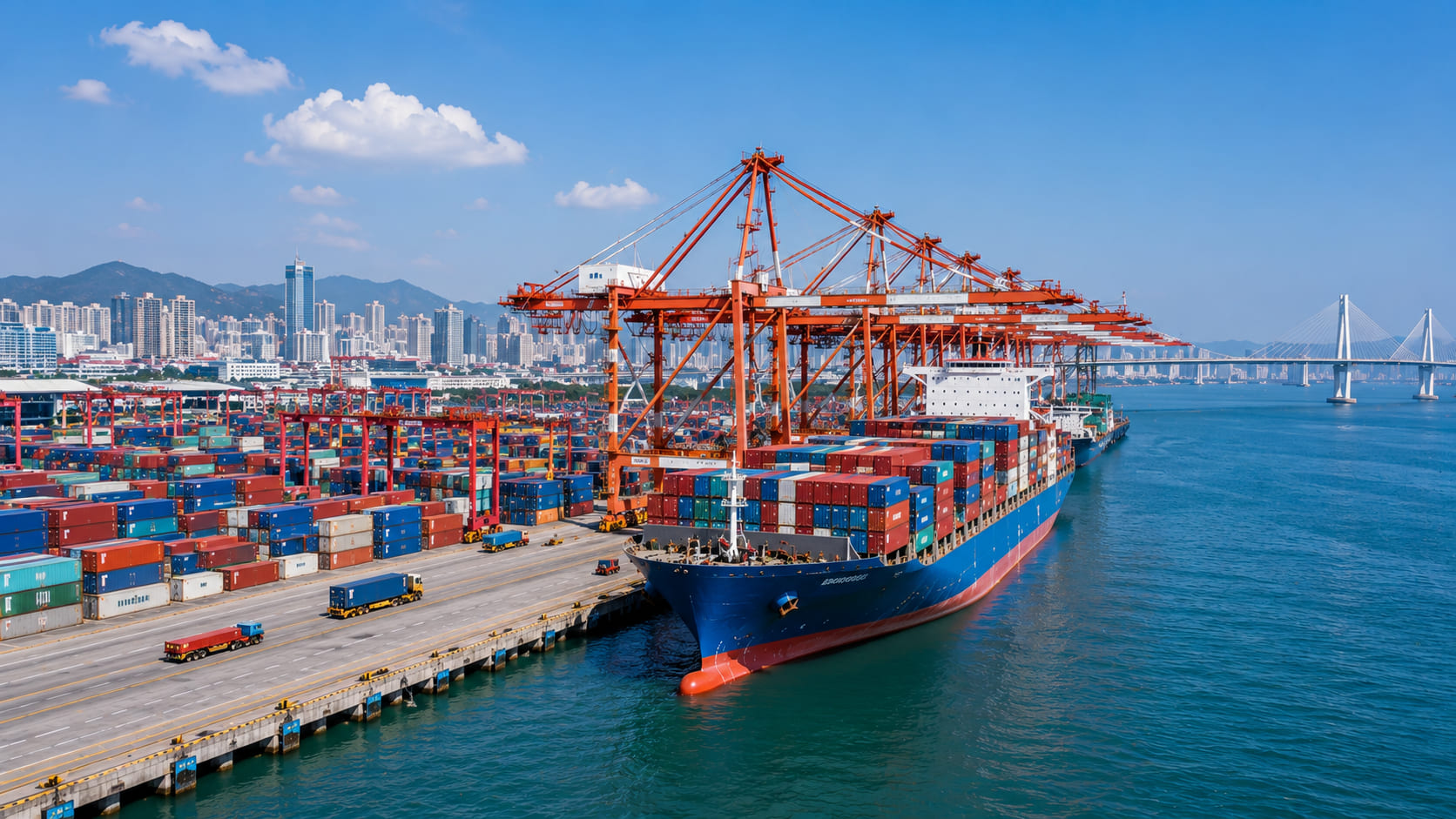
Xiamen is one of China's most internationally connected coastal cities and an important gateway for global trade, investment, and manufacturing. Located in Fujian Province directly across the Taiwan Strait, Xiamen has long served as a bridge between China and overseas markets. The city is home to one of China's earliest Special Economic Zones and continues to attract foreign investment through its modern port facilities, free trade policies, and highly developed export-oriented economy.
Today, thousands of Chinese manufacturers, exporters, trading companies, logistics providers, and cross-border e-commerce businesses operate in Xiamen. Foreign companies from North America, Europe, Japan, Australia, Southeast Asia, and many other regions regularly purchase machinery, electronics, consumer products, construction materials, textiles, food products, and industrial equipment from businesses located in the city.
While most international transactions proceed smoothly, commercial disputes occasionally arise. Foreign buyers may encounter problems such as delayed delivery, defective products, breach of contract, unpaid invoices, intellectual property infringement, refusal to refund deposits, or disagreements concerning product specifications. When disputes involve Chinese companies, understanding Chinese law and the local litigation process becomes essential to protecting commercial interests.
Our legal team assists overseas companies involved in commercial disputes with Xiamen businesses. We provide practical legal advice regarding supplier disputes, commercial contracts, debt recovery, intellectual property protection, litigation before Chinese courts, arbitration, and judgment enforcement throughout China.

Why Foreign Companies Need Legal Support in Xiamen
Because Xiamen maintains close commercial relationships with overseas markets, disputes involving foreign companies are relatively common. International transactions frequently involve multiple jurisdictions, different legal systems, multiple languages, and complicated documentary evidence. A disagreement that initially appears to be a simple payment dispute may ultimately involve questions concerning jurisdiction, governing law, evidence preservation, or judgment enforcement.
Foreign businesses are often unfamiliar with Chinese civil procedure, contractual interpretation under Chinese law, court jurisdiction, and practical enforcement mechanisms. Decisions made during the early stages of a dispute—such as how evidence is preserved, whether negotiations should continue, or whether assets should be secured—may significantly influence the final outcome of the case.
Obtaining legal advice at an early stage frequently helps businesses evaluate their legal position before costs increase unnecessarily. In many situations, disputes can be resolved through commercial negotiation or lawyer-to-lawyer communication before formal litigation becomes necessary. Where court proceedings cannot be avoided, early preparation generally improves litigation efficiency and enforcement prospects.
Commercial Environment in Xiamen
Xiamen's economy combines international trade, advanced manufacturing, logistics, shipping, tourism, financial services, and rapidly developing digital industries. The city hosts one of China's busiest international ports and serves as an important transportation hub connecting mainland China with global shipping routes.
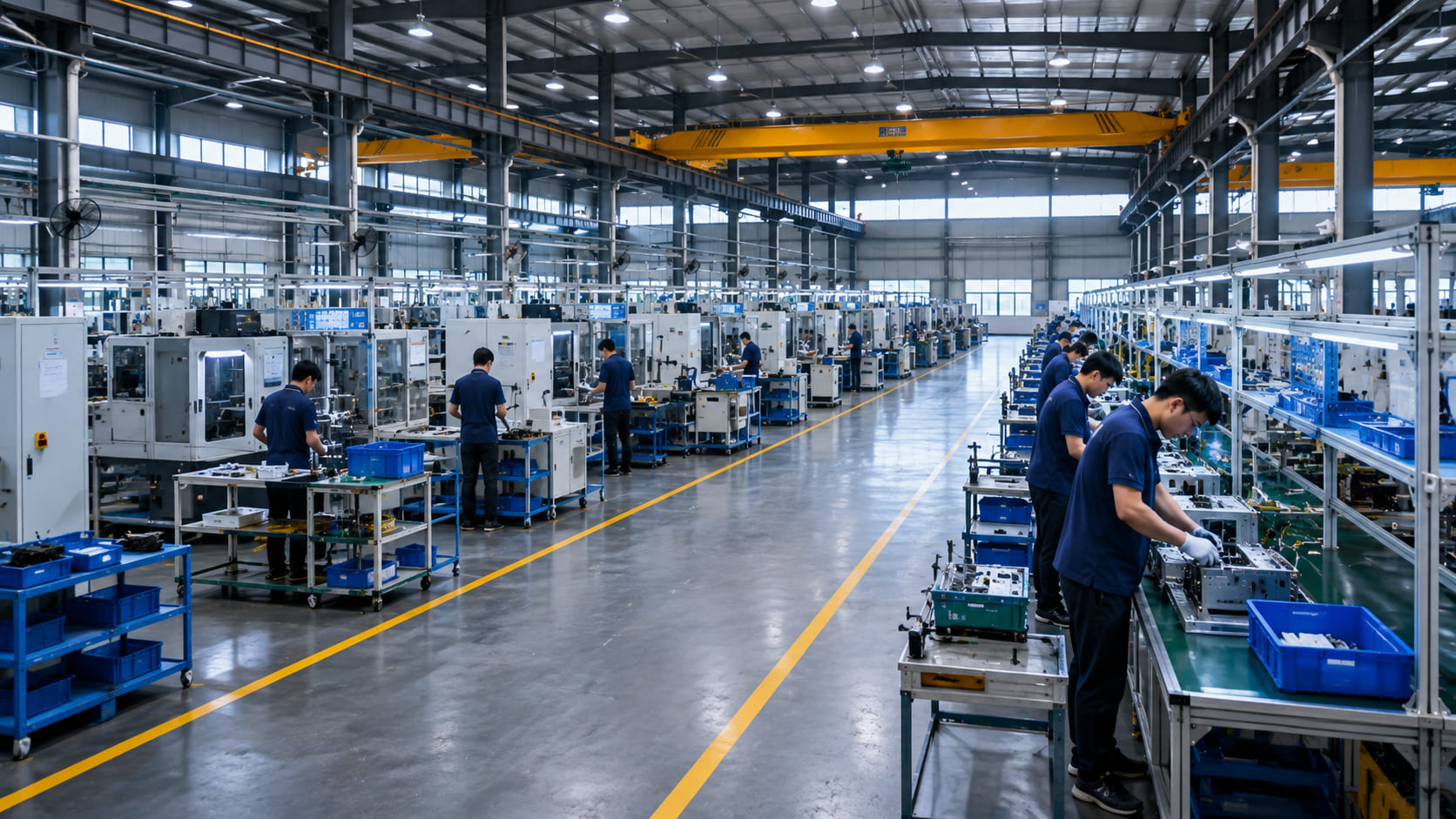
Major industries in Xiamen include electronics manufacturing, machinery, photovoltaic products, precision equipment, chemicals, food processing, medical devices, information technology, cross-border e-commerce, logistics, and international shipping services. Many multinational companies maintain operations in Xiamen, while thousands of privately owned Chinese manufacturers export products worldwide.
The China (Fujian) Pilot Free Trade Zone has further strengthened Xiamen's position as an international commercial center by encouraging foreign investment, facilitating customs procedures, and supporting cross-border trade. As international business activities continue to expand, the demand for effective commercial dispute resolution has likewise increased.
- International trade and export manufacturing
- Cross-border e-commerce
- International logistics and shipping
- Electronics and high-tech manufacturing
- Machinery and industrial equipment
- Financial and professional services
Legal Services for Foreign Clients in Xiamen
We advise foreign companies throughout every stage of commercial dispute resolution involving Xiamen businesses. Depending upon the circumstances of each case, our services may include legal risk assessment, contract analysis, evidence review, lawyer's demand letters, settlement negotiations, litigation, arbitration, and post-judgment enforcement.
- Commercial contract disputes
- Supplier dispute resolution
- Debt collection and recovery
- Litigation before Chinese courts
- Arbitration proceedings
- Intellectual property protection
- Judgment enforcement
- Commercial legal risk management
Supplier Disputes Involving Xiamen Companies
Supplier disputes remain one of the most common legal issues faced by foreign businesses sourcing products from China. Xiamen's large export sector means that overseas buyers regularly enter into contracts with local manufacturers, trading companies, sourcing agents, and logistics providers. Although the vast majority of transactions are completed successfully, disputes sometimes arise regarding product quality, payment, delivery schedules, technical specifications, intellectual property rights, or contractual performance.
Common supplier disputes include failure to deliver goods on time, delivery of products that do not conform to agreed specifications, hidden quality defects, unauthorized subcontracting, refusal to replace defective products, unexpected price increases, and disputes concerning payment obligations. In some cases, foreign buyers also discover that the supplier named in the contract is different from the actual manufacturer, creating additional legal complexity when enforcing contractual rights.
Our lawyers assist international clients in evaluating contractual rights under Chinese law, reviewing transaction documents, preserving electronic evidence, communicating with suppliers, negotiating commercial settlements, and, where necessary, initiating litigation or arbitration. Every dispute requires an individual strategy based upon the available evidence, the commercial objectives of the client, and the practical likelihood of successful enforcement.

Debt Recovery from Xiamen Companies
Recovering unpaid debts from Chinese companies involves considerably more than simply filing a lawsuit. A successful recovery strategy often begins with reviewing the underlying contractual relationship, evaluating available evidence, identifying the debtor's registered information, and determining whether assets are likely to exist for future enforcement.
Many commercial debts arise from unpaid invoices, outstanding purchase prices, unpaid loans, distribution agreements, agency contracts, manufacturing contracts, or long-term commercial cooperation. Depending on the circumstances, a carefully prepared lawyer's demand letter may encourage settlement before litigation becomes necessary. In other situations, immediate legal action may better protect the creditor's interests.
When litigation is required, Chinese courts may order the debtor to perform contractual obligations or pay outstanding debts together with applicable interest and litigation costs where permitted by law. After obtaining a legally effective judgment, enforcement proceedings may be initiated against the debtor's assets if voluntary payment is not made.
Our legal team assists foreign companies throughout every stage of the debt recovery process, including case assessment, evidence review, negotiation, litigation, judgment enforcement, and communication with Chinese courts.
Commercial Litigation Before Chinese Courts
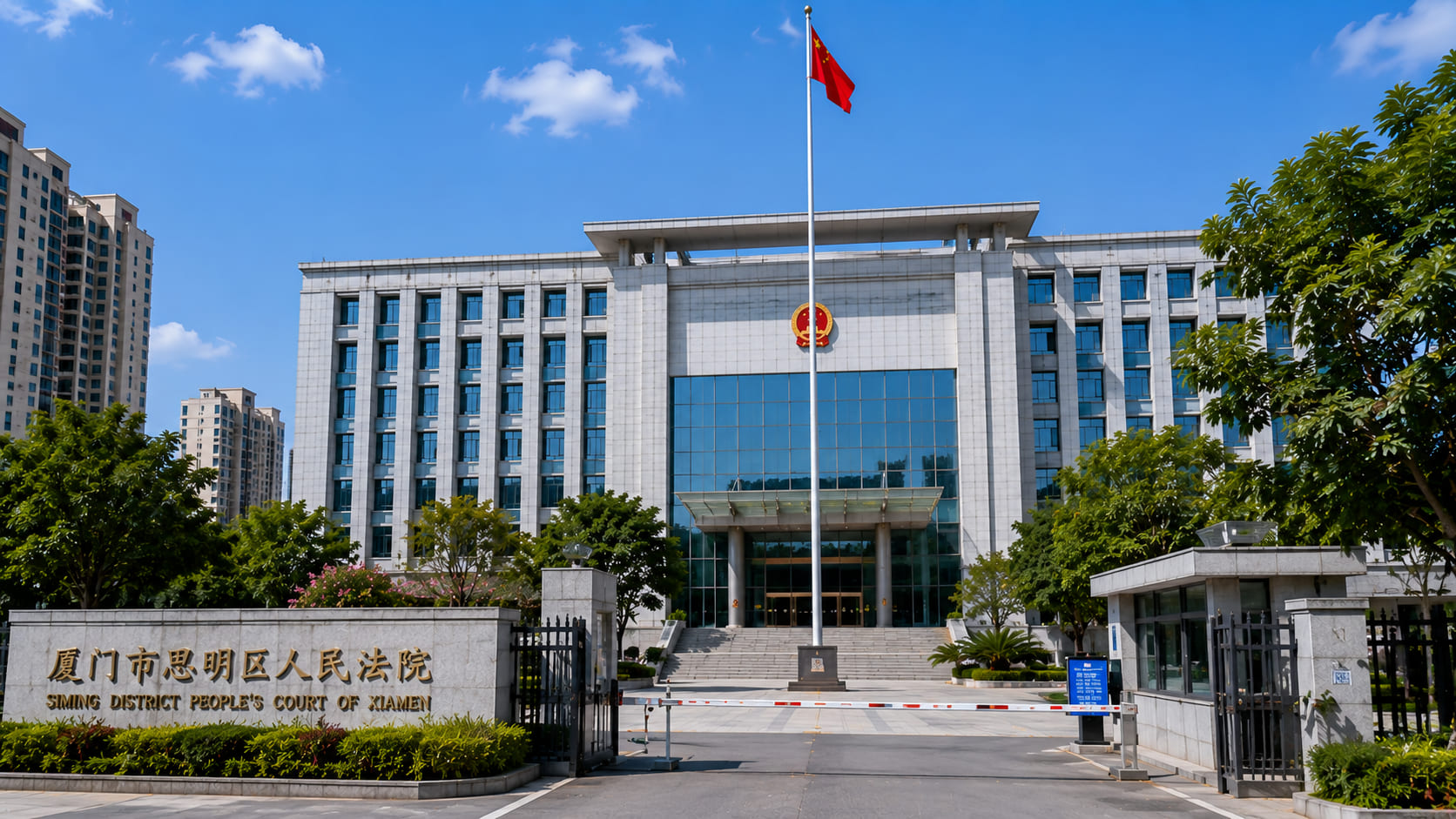
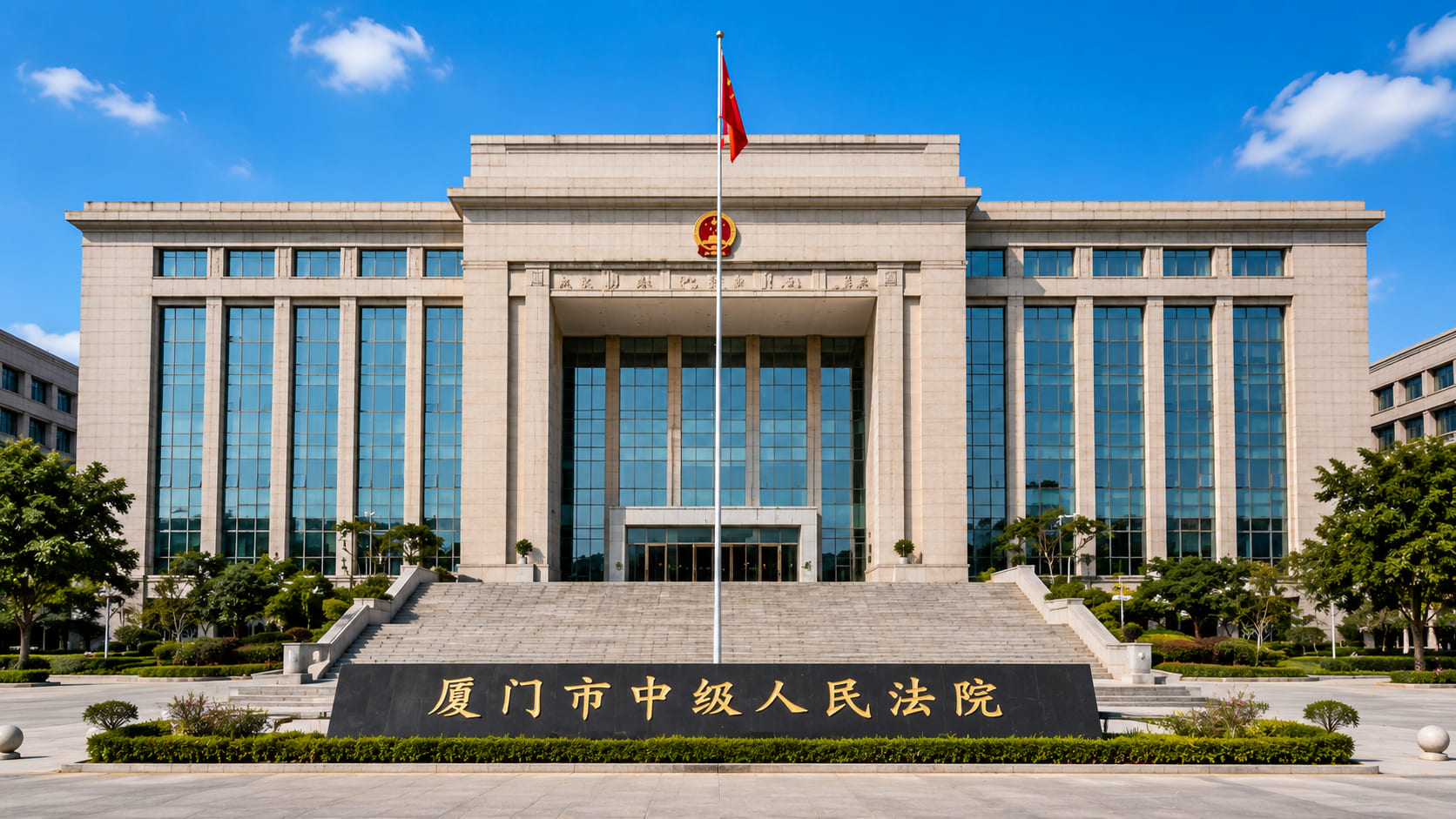
China's court system provides a formal mechanism for resolving commercial disputes involving both domestic and foreign parties. Depending on the facts of the case, disputes involving Xiamen companies may be heard by the Xiamen Intermediate People's Court or by competent Basic People's Courts with jurisdiction over the matter.
Commercial litigation generally begins with preparing evidence, identifying the proper defendant, determining jurisdiction, and filing a statement of claim. After the court accepts the case, litigation normally proceeds through document exchange, evidence examination, hearings, and judgment. Either party may have the right to appeal according to applicable procedural rules.
Foreign companies are generally represented by Chinese lawyers during litigation. Most procedural communications, evidence submissions, and court filings are handled by legal counsel, allowing overseas clients to participate efficiently without maintaining a permanent presence in China.
Cross-border E-commerce Disputes
Xiamen has become an important center for cross-border e-commerce and digital international trade. Many businesses conduct transactions through online platforms, electronic purchase orders, and international logistics networks. While these business models create new commercial opportunities, they also generate unique legal issues concerning electronic contracts, digital evidence, online payment systems, and international delivery obligations.
Disputes involving cross-border e-commerce frequently concern delayed shipments, non-conforming products, chargeback claims, platform policies, online payment defaults, trademark infringement, copyright disputes, and conflicts arising from international distribution arrangements. Electronic evidence—including emails, WeChat communications, electronic purchase orders, payment records, logistics tracking information, and online platform records—often becomes critically important during dispute resolution.
Our lawyers assist foreign companies in preserving electronic evidence, evaluating contractual obligations, communicating with Chinese counterparties, and developing appropriate legal strategies under Chinese law. Where negotiation is unsuccessful, we also represent clients in litigation and arbitration involving cross-border commercial transactions.
Commercial Contract Disputes
Well-drafted contracts remain one of the most effective methods of reducing legal risk in international trade. Nevertheless, contractual disputes continue to arise because of differing commercial expectations, changing market conditions, incomplete documentation, or disagreements regarding contractual interpretation.
Typical contract disputes involve payment obligations, delivery schedules, inspection standards, warranty provisions, product specifications, confidentiality obligations, force majeure, termination rights, and liquidated damages. Determining the parties' contractual rights requires careful review of the written agreement together with related correspondence and evidence generated during performance.
Before commencing formal legal proceedings, we evaluate the strength of the contractual claims, identify potential legal risks, and advise clients regarding commercially practical solutions. In many situations, strategic negotiation may preserve valuable business relationships while still protecting our client's legal position.
Intellectual Property Protection
Xiamen is home to numerous technology companies, manufacturers, exporters, and original equipment manufacturers (OEMs). As a result, intellectual property disputes are not uncommon. Foreign companies may discover unauthorized use of trademarks, patents, copyrighted materials, product designs, confidential technical information, or trade secrets during or after commercial cooperation with Chinese business partners.
Protecting intellectual property in China generally requires a combination of contractual safeguards, timely registration of intellectual property rights, and appropriate legal enforcement. Depending on the circumstances, remedies may include cease-and-desist letters, administrative actions, civil litigation, or negotiations aimed at preventing further infringement.
Our lawyers advise international clients regarding trademark protection, copyright disputes, unfair competition, confidential information, licensing agreements, and commercial strategies designed to minimize intellectual property risks before disputes arise.
Evidence Preservation Under Chinese Law
The outcome of commercial litigation frequently depends upon the quality and completeness of available evidence. Foreign companies should preserve contracts, purchase orders, invoices, inspection reports, shipping documents, payment records, emails, electronic communications, photographs, and other relevant business records immediately after a dispute arises.
Electronic evidence has become increasingly important in modern commercial litigation. Communications conducted through email, WeChat, enterprise messaging platforms, cloud storage systems, and electronic procurement systems may all become relevant during court proceedings. Proper preservation of electronic evidence reduces the risk of later disputes concerning authenticity.
Early legal advice may help determine which documents should be preserved and whether additional evidence should be collected before negotiations or litigation begin.
Property Preservation Before Litigation
One concern frequently expressed by foreign companies is whether a Chinese debtor may transfer assets before a judgment is obtained. Chinese law provides mechanisms allowing courts, under appropriate circumstances, to order property preservation measures intended to reduce this risk.
Property preservation may involve bank accounts, real estate, equipment, receivables, equity interests, or other assets owned by the defendant. Such measures are not granted automatically. Courts generally require the applicant to satisfy statutory requirements and, in many cases, provide security before preservation measures are implemented.
Whether property preservation is appropriate depends upon the facts of the dispute, the available evidence, the amount in controversy, and the practical likelihood that assets may become unavailable during litigation.
Judgment Enforcement in China
Obtaining a favorable judgment is only one stage of resolving a commercial dispute. If the losing party does not voluntarily comply with the judgment, enforcement proceedings may become necessary. Chinese courts possess legal authority to enforce effective judgments against debtors who fail to satisfy their obligations.
Depending on the circumstances, enforcement measures may include investigation of assets, freezing bank accounts, seizure of property, auction of assets, restrictions on high-value consumption, inclusion on the list of dishonest judgment debtors where statutory requirements are met, and other enforcement measures provided by Chinese law.
Successful enforcement frequently depends upon identifying recoverable assets and selecting an appropriate enforcement strategy. Our legal team assists overseas clients throughout enforcement proceedings by communicating with enforcement courts, monitoring progress, and providing practical advice concerning available legal remedies.
Alternative Dispute Resolution
Not every commercial dispute should proceed directly to litigation. Depending on the commercial relationship between the parties, mediation, negotiated settlement, or arbitration may provide a faster and more cost-effective solution while preserving future business opportunities.
Our lawyers regularly assist foreign companies in evaluating settlement proposals, participating in commercial negotiations, preparing settlement agreements, and advising clients regarding arbitration clauses contained in international commercial contracts. Selecting the appropriate dispute resolution mechanism should always be based upon the commercial objectives of the client rather than adopting a single approach for every dispute.
Why International Clients Choose Our Legal Team
International commercial disputes require more than knowledge of Chinese law. Effective representation also requires an understanding of international business practices, cross-border transactions, evidence generated in different jurisdictions, and communication with overseas clients.
- English-language communication throughout the legal process.
- Experience assisting overseas companies in commercial disputes involving Chinese businesses.
- Practical advice focused on commercial objectives rather than unnecessary litigation.
- Representation in negotiation, litigation, arbitration, and judgment enforcement.
- Familiarity with cross-border trade, manufacturing, and supplier relationships.
Legal Services in Nearby Cities
In addition to disputes involving companies located in Xiamen, our legal team also assists foreign clients with commercial matters involving businesses throughout Fujian Province and other important manufacturing regions in China. We regularly advise clients regarding disputes involving companies in Quanzhou, Zhangzhou, Jinjiang, Shishi, Fuzhou, Putian, Ningde, and many other commercial centers where export-oriented manufacturing and international trade play an important role.
Whether your dispute involves a manufacturer, trading company, logistics provider, technology company, or service provider located in Xiamen or elsewhere in China, we aim to provide practical legal solutions tailored to the commercial realities of each case.
Frequently Asked Questions
Can a foreign company sue a company located in Xiamen?
Yes. Foreign companies generally have the right to bring civil proceedings before competent Chinese courts where jurisdiction exists under Chinese law or under the parties' contractual agreement. The appropriate court depends upon factors including the defendant's domicile, the place of contract performance, and any valid jurisdiction clause contained in the contract.
How long does commercial litigation usually take in China?
The duration varies depending upon the complexity of the dispute, the amount of evidence involved, and whether an appeal is filed. Many first-instance commercial cases are concluded within several months, while more complex matters may require additional time.
Can I recover unpaid invoices from a Chinese company?
Potentially yes. Recovery depends upon the available evidence, the legal basis of the claim, and the debtor's financial condition. Litigation is only one part of the process. Successful enforcement of a judgment is often equally important.
Can your legal team communicate with us entirely in English?
Yes. We regularly assist international clients and communicate with overseas companies in English throughout negotiations, litigation preparation, and court proceedings.
Do I need to travel to China to file a lawsuit?
In many cases, no. Much of the legal work may be handled by Chinese lawyers under a properly executed power of attorney. Whether personal attendance is required depends upon the circumstances of the individual case.
Can electronic evidence such as emails and WeChat messages be used in Chinese courts?
Electronic evidence may be admissible under Chinese law if properly preserved and submitted in accordance with applicable procedural rules. Emails, contracts, payment records, photographs, logistics records, and business communications frequently play an important role in commercial disputes.
Should I negotiate before filing litigation?
That depends upon the circumstances. In some disputes, negotiation provides an efficient commercial solution. In others, immediate legal action may better protect your rights, particularly where there is concern that assets could disappear or important evidence may be lost.
Can Chinese courts freeze the defendant's assets?
Chinese law provides procedures for property preservation in appropriate cases. Whether such measures are available depends upon the facts of the dispute and the requirements established by Chinese law.
Do you assist with judgment enforcement after the lawsuit?
Yes. Our services may include assisting clients throughout enforcement proceedings after a legally effective judgment has been obtained.
Can you assist companies located outside China?
Yes. We regularly advise companies from Europe, North America, Australia, Japan, and other jurisdictions regarding commercial disputes involving Chinese companies.
Whether you are facing a supplier dispute, unpaid invoices, breach of contract, or another commercial disagreement involving a company located in Xiamen, obtaining timely legal advice may significantly improve your ability to protect your commercial interests and preserve valuable evidence before formal proceedings begin.
Responsible Lawyers
Lawyers handling legal matters related to Xiamen and surrounding regions.